The tin looks like a present. The coffee still has to meet a brewer
I opened the public shop at tikitonga.co.uk on 21 October 2026 the way I open any coffee seller: beans or capsules, and what I am supposed to do with them on a Tuesday morning. Tiki Tonga sells specialty coffee in both forms, and among the blends is one that borrows an Irish name, the Guinness one, for a dark-roast story. The name is a hint. The tin is still coffee. I am not going to pretend a product title is a pint, and I am not going to invent a tasting note from a sip I did not stage for this piece. The bag's own description is the shop's hint. Your brewer decides the cup.
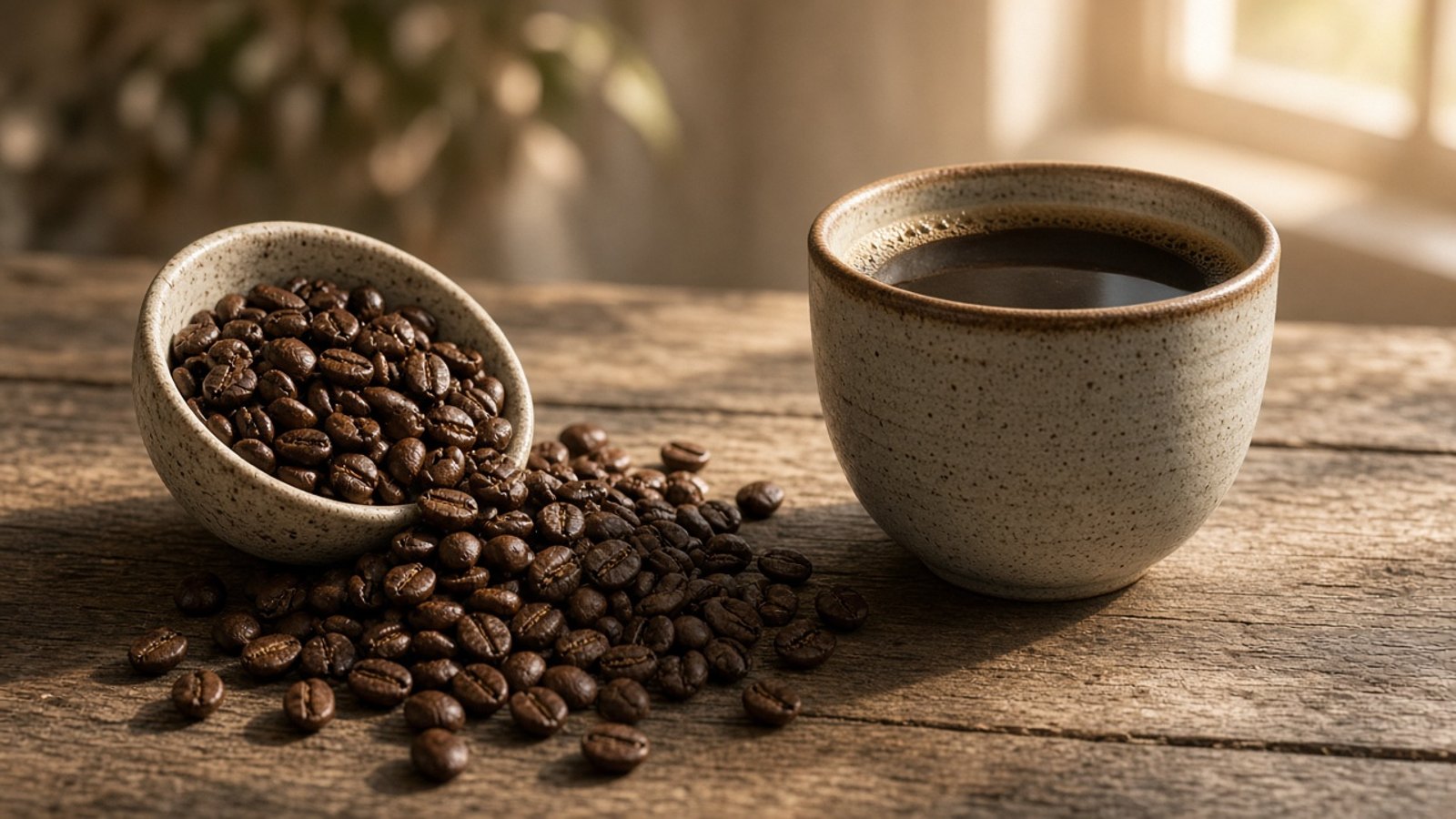
Beans and capsules are different errands that happen to share a brand. Whole beans ask you for a grinder, a method, and a habit of buying an amount you will finish. Capsules ask you for a machine that matches the capsule, and then they ask very little else. People get into trouble when they buy the romantic object, the beans, for a kitchen that only owns a capsule machine, or when they buy capsules without reading which machine the listing claims to fit. On 21 October 2026 I was not going to freeze a compatibility chart into this note. If the page does not name the machine, do not guess it from the shape of the pod.
A gift tin is the third errand. It looks finished. Ribbon, a name you recognise, a weight that feels generous. Coffee ages whether or not it is pretty. A roast date, if they print one, matters more than the sleeve. A tin that sits under a tree, then in a cupboard, then behind the cereal, is older coffee than the photo suggested. Ask what the person actually brews before you choose beans, a named grind, or capsules. The wrong format is not a small miss. It is a present they cannot use.
Buy the format their kitchen can already brew
Order beans if you, or the person you are buying for, already grind, or will grind, for a method you can name: a cafetiere, a filter cone, a stove-top pot, an espresso machine. You will finish the bag while it still tastes like the thing you paid for, which means you are not buying a kilogram for a household that drinks one cup on Sundays. Order capsules if the machine on the counter is the machine named on the listing, and you are happy to be tied to that system. Order the Guinness-named blend if you want the shop's dark, stout-leaning idea of a coffee and you have read the roast description, not because the word itself is a flavour you can cash in.
Skip the beans if nobody in the house will grind, and the listing's pre-ground option is for a method you do not own. Skip the capsules if the page will not name the machine. Skip the gift tin if you do not know whether they take milk, whether they drink coffee at all, or whether a dark roast is exactly what they avoid. A named blend is a stronger flavour opinion than a generic tin. It is a worse blind present, not a safer one.
There is a smaller skip for anyone who wants instant, or who wants a caffeine lecture, or who wants me to say this cup will change a morning. It is coffee. It will go stale. It will taste of the grind and the water and the patience you bring to it. If that sounds dull, you are in the right shop only if you like the dull parts. Those are the parts that make the cup.
- Nobody will grind, and the capsule does not name a machine you own.
- The gift is a guess about a roast you have not asked them about.
- You want instant, or a cup that behaves like a canned drink.
- You are buying a large bag for a kitchen that drinks coffee rarely.
If the format matches the kitchen, the next choice is grind and freshness, which is less romantic than the label and more likely to decide the cup.
Match beans or capsules to the brewer before you choose a named blend.
Open the Tiki Tonga shop →Grind, capsules, and the date on the bag
Whole beans stay useful longer than coffee that has already been ground, and they still stale once the bag is open. Buy a bag you can finish, keep it airtight, and keep it cool and dry. The fridge is a poor cupboard for coffee. Moisture and other people's leftovers get into the tin. If Tiki Tonga prints a roast date, believe that date more than a best-before that could mean almost anything. I am not going to claim every bag I might have seen on 21 October 2026 carried a roast date. If the listing does not show one, you are choosing with less information, and a smaller bag is the kinder choice.
Grind is the most common way to blame a decent bean. A cafetiere wants a coarse crumb. A filter cone wants something finer. Espresso wants finer still, and it wants a grinder that can actually get there, which a cheap blade chopper often cannot. If you do not own a grinder, buy the grind the page names for your method and accept that the clock runs faster once it is ground. If you own the wrong grind, the cup will be sour or harsh and you will think the blend is the problem. The blend might still be the problem. You will not know until the grind is right. I am not scoring their Guinness-named coffee. A name that points at a stout is a dark-roast allusion. Read the shop's own words for chocolate, bitterness, or smoke, and then brew it as coffee.
Capsules remove the grind and add a lock-in. The dose is fixed. The machine is fixed. If the listing says the capsule fits a named system, match that system, including the version of the machine if they mention one. A pod that looks similar is a mess in the mechanism and a refund that may not exist once you have punctured the foil. I do not know Tiki Tonga's compatibility line by heart, and I will not invent it. On 21 October 2026 the rule was the same as every other capsule brand: the product page has to say the machine, in words, or you do not have a match.
For a gift, write down their method before you fall for the tin. Capsules for a capsule household. Beans, and a grind if you must, for a household with a grinder. A whole-bean tin for someone with only a pod machine is a puzzle they will regift or abandon. If you are unsure of the size of their habit, buy the smaller bag. Coffee is a poor thing to own in bulk out of politeness. Include the roast note if there is one, so they know whether to drink it this month or apologise to it in May.
A heavy tin still has postage, and I am not pricing the beans
I am not quoting a price for a bag, a tin, or a sleeve of capsules. Coffee prices move with the roast and the size, and a figure from 21 October 2026 would be a stale figure. Read the basket after postage to your address. Beans are dense. A gift tin going across the country can cost more to move than the romance of the sleeve suggests. If a subscription is ticked, a subscription is a second decision. Untick it unless you already know you will drink that blend on a schedule.
Refunds on food are strict once the bag is open, and they are awkward even when the bag is sealed if the roast is simply not to taste. I am not going to invent a goodwill policy. Read the rule before you order a large tin as an experiment. Pay with a card you can see. Keep the confirmation until you know the capsules fit the machine, because a wrong system is the claim you can make with a straight face. I do not like this roast is a weaker claim, and it may not be a claim at all.
- Read postage on a heavy tin before you trust the bag price.
- Clear any coffee subscription you did not mean to start.
- Match the capsule to a named machine before you puncture the foil.
- Buy a smaller bag when you are unsure of the roast or the habit.
What a product page cannot brew
I did not cup a flight of Tiki Tonga coffees for this note, and I will not borrow someone else's cup and call it proof. Taste is water, grind, ratio, and the milk you add. The Guinness name does not survive all of those unchanged. On 21 October 2026 the shop could describe a blend. It could not drink it in your kitchen. Treat any flavour sentence on the bag as their tasting note, made on their brew, and expect yours to move.
Freshness is the other unpublished variable. I cannot see how long a given bag has sat in their warehouse, or in a warm van, unless they print a date and you read it. A gift that looks perfect and tastes flat is often just late. That is not a scandal. It is coffee. Buy closer to the day it will be opened, and buy the format the kitchen can use without a new gadget.
Pick the format the kitchen already brews. A stout-named blend is still coffee, and a pretty tin does not stop the clock on the roast.
— Noah Bennett
Questions worth answering before you buy the tin
Does the Guinness-named blend taste like the drink?
The name is an allusion, dark and stout-leaning, not a pint in a bag. Read the shop's own roast description. I am not publishing a tasting score, because your grind, water, and milk will move the cup.
Should I buy beans or capsules?
Beans if someone will grind for a method you can name. Capsules if the listing names the machine you already own. Whole beans for a pod-only kitchen are a gift they cannot brew.
How fine should I grind?
Match the brewer. Coarse for a cafetiere, finer for filter, finer again for espresso. A blade chopper makes this harder. If you have no grinder, buy the grind they name for your method and finish it sooner.
What is the price, and when does it arrive?
I am not quoting either. On 21 October 2026 the basket after your address was the price, and I will not invent a delivery day. A heavy tin costs whatever the postage line says that day.
How should a gift tin be chosen?
Ask what they brew, buy the smaller amount if you are unsure, and prefer a roast date you can read over a sleeve you cannot. Sealed bags keep better than a tin opened in a warm kitchen and forgotten.
The brewer first, the story second
Open the shop, choose beans or capsules from the machine that is actually on the counter, and read the roast description of the Guinness-named blend before you let the name do the choosing. If it is a gift, buy an amount they will finish, and tell them what the bag says it is.
I looked at the public site on 21 October 2026. I did not turn a single cup into a verdict. Tiki Tonga sells coffee in two formats and a few stories. The format is the decision. The story is the label.
Beans for a grinder, capsules for a named machine, before you buy the gift tin.
Match the Tiki Tonga format →