The text I keep getting
A friend texted me the exact question I get every time this tab is open: is this shop legit? I had the same tab open on 27 September 2026, tape measure on the hallway floor, last month’s parcels still stacked against the radiator. Short answer: yes. Shop Like You Give A Damn is a real Amsterdam company running a vegan and ethical department store online. Longer answer: it is a marketplace, and if you treat it like a supermarket aisle you will be annoyed.
That hallway is why I bother with a tape measure on a Sunday. I wanted a coat that would clear the door hooks without another return label. I am not going to pretend I measured every insole. I did open the cart, the shipping note, and the return page, and I wrote down what actually happens after you pay.
It is a department store with other people’s stock
The name sounds like a slogan. The company behind it is quieter than that. Shop Like You Give A Damn B.V. sits on Lindengracht in Amsterdam and runs a platform where independent sellers put vegan fashion, cosmetics, and home goods in one catalogue. You browse as if it were one shop. You pay one checkout. The boxes still leave from different workrooms. It is a marketplace. Several sellers, one checkout. Several sellers under one roof, that is the whole point.
The purchase contract is with the seller of the thing you clicked, not with the Amsterdam office as your manufacturer. Money still goes to the platform first. You are not supposed to pay a seller on the side and call the order done. If a seller does not accept an order within a couple of working days, the platform is supposed to tell you and send the money back. That is the boring, useful part. People skip it, then get surprised when two jackets arrive a week apart.
I looked for a published, independently ranked list that would let me call this the biggest vegan department store in Europe. Unpublished. So I will not. What I can say from the site itself is simpler: the assortment is vegan by rule, the sellers are third parties, and the shop presents itself as a European online department store for people who want clothes and bathroom stuff without animal materials. That is already a narrower promise than a ranking speech.
Who this is actually for
This store is for someone who already knows they do not want leather, wool, silk, or a “maybe vegan” beauty aisle, and who is tired of opening twelve brand sites to build one winter kit. If you want a raincoat, a pair of trainers, and a cleanser that all sit on the same vegan rulebook, the catalogue is built for that hunt. You can filter. You can read a seller page. You can keep the cart in one place while the stock still comes from small labels you would never find on a high-street corner.
It is also for people who will pay mid-range prices without treating every euro as a personal insult. A pair of vegan trainers here often sits around one hundred twenty euros. A glass bottle of face oil can sit around thirty. Those are not supermarket numbers. They are closer to what a small European label charges when it is not hiding animal glue in the sole.
I think that is the honest sell. You are buying a curated aisle, not a warehouse clearance. If your values already point at animals, labour, and a smaller footprint, the shop saves you the tab-hopping. If your values point at the lowest sticker in the Tesco end-cap, this page will feel like a lecture you did not ask for.
Who should skip it
Skip it if you came here to beat a supermarket on price. Skip it if you need to stand in front of a mirror with a shop assistant pinning a hem. Those two groups will have a worse afternoon on this site than they will at a high-street chain. I mean that as a warning, not a dare.
- People who just want the cheapest supermarket version of a tee, a moisturiser, or a kitchen sponge should stay in that aisle. The ethical markup is the product.
- People who need a high-street fitting for a tailored coat, a tricky shoe last, or a dress that has to sit on a real body before money leaves the account should walk into a shop they can return to the same afternoon.
- Anyone outside Europe who is not ready for stacked seller postage, or a UK buyer who will rage at a customs bill after the card has already gone through, should read the fee section twice and then decide.
- If you want one warehouse, one dispatch date, and one tracking number for a mixed basket, a multi-seller marketplace will frustrate you on purpose.
How a buy actually works
You do not need an account to order. You do need to be eighteen, and you need an email you actually read. Browse, filter, drop things in a cart that can hold stock from more than one seller. At pay, the total goes to Shop Like You Give A Damn, not to a dozen PayPal links. The office then settles with the sellers. That split is why a refund can wait until a seller confirms the return landed in the same state it left.
The cart looks like one shop — it is not. Each line still belongs to a seller with their own dispatch speed and their own return address. If you mix a Berlin shoe last with a Ghent knit, you should expect two boxes and two clocks. The site shows estimated delivery on the product page, in the cart, and again on the confirmation. Read those three times if you are buying a gift with a date on the calendar.
- Filter the catalogue for the vegan and fair claims you actually care about, then open the seller page before you fall in love with a photo.
- Check the delivery estimate on the product, then check it again in the cart. If two sellers disagree, plan for the slower one.
- Pay the platform total. Do not try to settle with a seller off-site and call the order complete.
- Keep the confirmation email. Returns go back to the seller named on that mail, not to a single Amsterdam warehouse fairy.
- If a seller never accepts the order, wait for the platform note and the refund instead of chasing a tracking number that was never born.
If the marketplace model still sounds like your kind of aisle, the catalogue is on the other side of this link.
Open the shop →Fees, said in words
Postage is the fee people miss, then write angry mail about. Inside most of Europe the platform charges one fixed shipping amount of about six euros, even if the cart holds more than one seller. That is the clean version. The messy version starts the moment your address is not “most of Europe.”
- Most of the European Union and nearby countries on the standard list: about six euros, once, for the whole basket.
- United Kingdom: about six pounds on the same “one fee” idea, plus whatever UK customs later decides if a parcel crossed a border the long way.
- Denmark and Sweden: the same idea, billed in kroner. Read the cart line. Do not convert in your head and then argue with the receipt.
- Switzerland: each seller sets their own postage. Two sellers can mean two shipping lines.
- Outside Europe: sellers set the rates, the platform says it does not pad them, and a mixed cart can collect more than one charge. Free-shipping thresholds, if any, are per seller, not per mood.
- Returns: you usually pay to send the thing back to the seller. A seller who covers return postage will say so on their page. Assume they do not.
Item prices on the site are the seller’s prices, shown in the currency of the storefront you landed on. For a lot of EU addresses, value-added tax is already sitting inside that number. For a UK door, or anywhere customs likes to wake up, duty can arrive as a second bill after the parcel is already on a van. The shop can print a warning. It cannot print a promise that your local office will shrug.
The limits that will trip you
There is no fitting room. There is a size chart, a tape measure, and your hallway. If a last runs long, or a waist sits high, you find out when the box is on the mat. Trying on at home is allowed. Living in the clothes and sending them back greasy is not. Tags stay on. The seller inspects the return. If they refuse it, the platform will not invent a refund to keep you cheerful.
Seller quality is not one factory with one mood. Some labels pack like a boutique. Some pack like a tired Tuesday. Delivery can be a few days. It can also stretch toward four weeks if the seller is small and your address is awkward. Mix sellers and you mix clocks. That is not a glitch in the department-store fantasy. That is the marketplace doing marketplace things.
Dutch law sits on the paperwork. The platform can refuse an order, attach conditions, or close a privilege if a buyer’s history looks messy. You can message the Amsterdam support address or the seller. Product defects still live with the seller first. If you wanted a single brand to own every stitch and every apology, this is the wrong tab.
Pay it if you want one vegan aisle and you can live with split parcels. Walk away if you need a mirror on the high street or the cheapest tub on a supermarket shelf.
— Ethan Cole
When the box arrives, and when it goes back
A parcel can show up in a few days. The slow end the shop itself names is about four weeks, depending on where the seller sits and where you sit. Gift shoppers who ignore that range deserve the panic they get. If two sellers are in the cart, treat the later date as the real date. Tracking will not merge into one heroic map.
Returns have a two-step clock. You tell the seller or the platform within fourteen days of delivery that you want out. Then you have another fourteen days to get the unused item back to the seller’s address, not to a mystery locker in Amsterdam. A packing slip should be in the box. If it is missing, support at the shop can still point you at the right door. Refunds wait until the seller says the goods came back unworn, untreated, tags still hanging. That wait is the part people call “slow customer service” when they skipped the confirmation email.
Trying on is fine. A Sunday shuffle down the hallway in new trainers is fine. A weekend festival and a return on Monday is not. The seller is allowed to say no, and the platform is allowed to follow that no. If you are the kind of person who needs to live in a shoe for a week before you know, buy from a street you can walk back to.
What is actually on the shelves
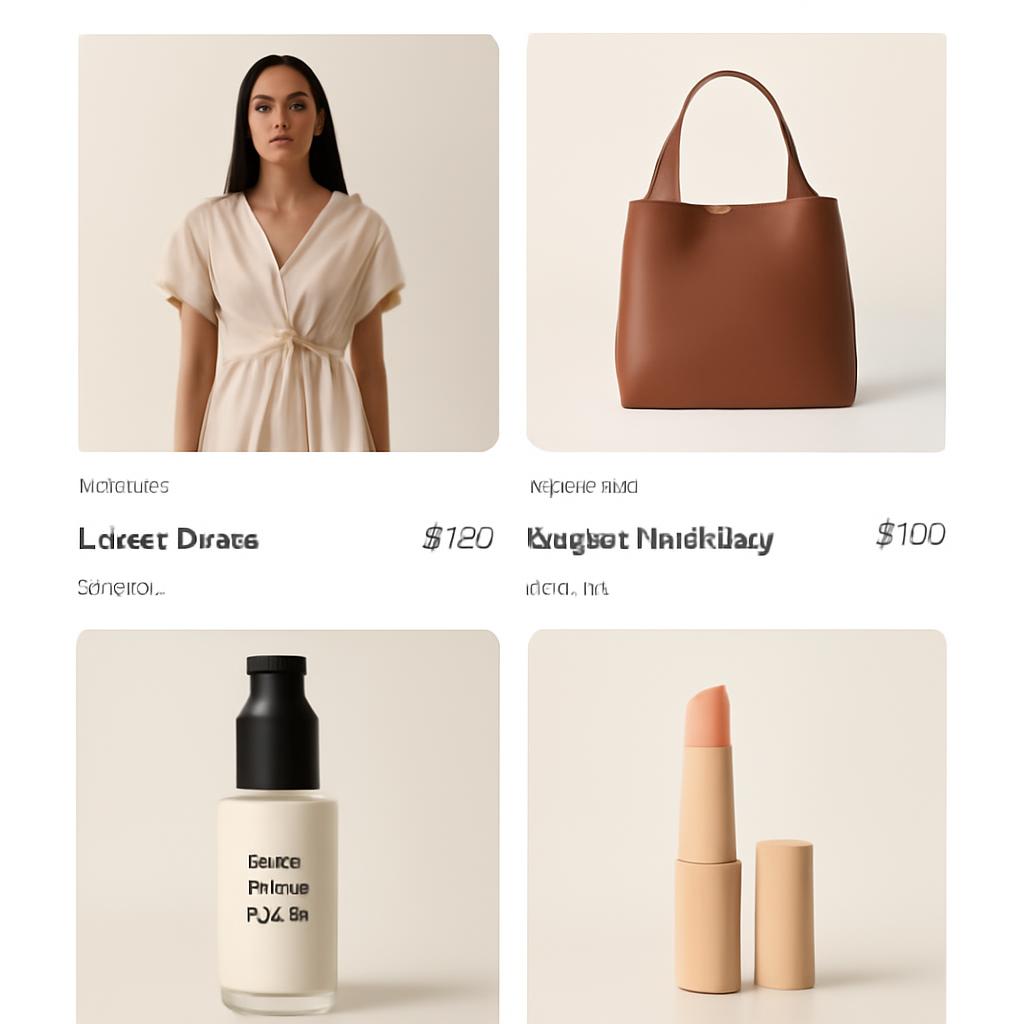
The catalogue is clothes, shoes, bags, cosmetics, and a thinner home aisle, all under a vegan rule. You will see small European labels next to names you half-recognise from ethical fairs. I am not going to unroll a brand parade. Two objects were enough for me to understand the price weather: those vegan trainers around one hundred twenty euros, and that glass bottle of face oil around thirty. Everything else in my cart sat in that same mid-range weather. Cheap plastic tubs live somewhere else.
The useful page is not the hero banner. It is the seller page under each object, where dispatch time, return postage, and the seller’s own terms sit in plain type. Read that before you fall for a photograph of a coat on a windy dike. Photographs do not ship. Sellers do.
Questions I would ask before I pay
Do I pay the seller or the shop? You pay Shop Like You Give A Damn. Paying a seller directly does not clear the order. The Amsterdam company collects, then settles. That is why a refund can look late even when everyone is following the script. The money has to travel back through the same desk.
Why might I get two parcels from one checkout? Because the cart is a tray, not a warehouse. Each seller packs their own line. A knit from one town and a boot from another will not wait politely in a single van so your hallway looks tidy. If that bothers you more than the vegan rule helps you, split the order yourself or shop one seller at a time.
What do I actually owe for postage in Europe? For most addresses on the standard European list, about six euros, once. United Kingdom: about six pounds on that same one-fee idea. Denmark and Sweden: kroner, same logic. Switzerland and anywhere outside that neat map: read every seller line, because the single-fee story ends.
Can I send a pair back if the last is wrong? Yes, if you say so within fourteen days of delivery and you post the unused pair to the seller within the next fourteen, tags on, no pavement scars. You will likely pay that return postage. A high-street fitting would have told you the last was wrong before the card machine beeped. That is the trade.
Will a UK or non-EU order surprise me with a second bill? It can. Duty and import tax sit with your local office, not with a cheerful checkbox in Amsterdam. The product page and the confirmation may warn you. They cannot freeze a customs officer. If a second bill would ruin the week, filter for sellers who ship from inside your own tax border, or do not buy.
How long should I wait before I call it lost? Look at the estimate on the confirmation, then add the fact that a mixed cart has more than one clock. A few days is common. Four weeks is the slow end the shop names. After that, write support and write the seller, and keep the confirmation in the thread. Do not start from a screenshot of the homepage.
Is every object vegan, or is that a filter I can forget to click? The shop’s rule is vegan across the catalogue, not a side aisle you might miss. Fair and lower-impact claims still vary by seller, which is why the seller page matters more than the slogan on the bag. If a claim is thin, leave the object in the cart and walk away. Nobody is grading you.
If you still want the tab
I left the tape measure by the radiator and closed the cart without pretending this was a moral exam. Shop Like You Give A Damn is a legit Amsterdam marketplace with a vegan department-store front. It will not beat a supermarket on price. It will not pin a hem on you at lunch. If those two facts are fine, the aisle is there. If they are not, you already know which shop to walk into.
Open Shop Like You Give A Damn only if a split parcel and a mid-range ticket still sound like a fair trade.
Go to the catalogue →