Yes. Real Dutch company. Not a clinic.
Yes — if the text you got was “is this shop legit?” and the tab is hears.com. I checked the live store again on 27 September 2026 because that question keeps landing in my inbox. The name on the invoice is Hears B.V., registered in Amsterdam at Koningsplein 1–3, 1017 BB. I pulled KvK 90415647 and vestigingsnummer 000056147333 from the Dutch register the same morning. Statutory seat: Amsterdam. Deed dated 5 June 2023. The terms put Dutch law on the contract and say the site is run from offices in the Netherlands. That is more paperwork than a lot of earplug pages bother to print.
Mail goes to support@hears.com. A second inbox, support@gethears.com, shows up on the FAQ, and the refund page adds hello@gethears.com. I did not find a public phone. I almost labelled my notes “hearing clinic.” Wrong file. The address — wait, the company address — sits on a square in the city centre, and what leaves that office is a pair of reusable plugs with a membrane filter, four tip sizes, and a case. A packing slip from Koningsplein. Not an audiogram. Not a prescription.
What actually sits in the tin
The everyday Hears pair is TPE. Hears Sleep is silicone. The shop claims European design and production, a three-standard stack (ANSI, EN, AS/NZS) on the music pair, and CE plus ANSI on the sleep pair. iF Design and Red Dot badges sit on the homepage. A slice of each order is said to go to the Hearing Health Foundation. Fine. Hold those claims next to the object in your hand: a filter, a set of tips, a keychain tin. It's a parcel.
hears.com/pages/faq answers the hearing-aid question without a speech. Do not treat this pair as a replacement for a fitted aid. The stem has no electronics, no battery, no companion app, and no volume wheel. That FAQ also says Hears is not selling a certified medical device, and that the plugs will not quiet internal ringing or treat an ear condition you already have. If a clinician already fitted you, or you came here hoping speech would get louder rather than the room getting quieter, close the tab.
Who should actually open the cart
Pay only if you already know the room is too loud and you want a washable filter, not a foam brick that will vanish in a coat pocket. The product pages name concerts, clubs, open-plan desks, long-haul cabins, and motorbike wind. Choose 20 dB SNR when conversation at a show still matters, or 25 dB SNR when the room, the cabin, or weekday noise just wears you out. Work through the XS, S, M, and L tips until the leak stops. Then keep the box, the actual box, because the hundred-day return still wants it.
I am quietly of the view that you should treat this like a hardware buy, not a wellness ritual. Seat the filter. Wear the pair in a loud kitchen or a train carriage before you trust them at a festival. Most “these do nothing” emails start with a tip that never sealed. Step up a size before you write support.
Close the tab if any of this is you
Walk past if any of the following is your actual problem. This list is the stuff that generates the angry support emails after someone treated a membrane plug like a clinic visit.
- You need a hearing aid or an audiologist-moulded musician plug — the FAQ says this cart is not that product
- A workplace wants a labelled NRR on a safety card; the live pairs print 20 dB or 25 dB SNR, and a published NRR was unpublished on 27 September 2026
- You will not keep the original cardboard and every tip for a hundred-day return, or you expect Hears to cover the return label on a change of mind
- You need a printed decibel rating on Hears Sleep — that figure is unpublished on the product page
- You want a same-day colour swap; a different colour or filter is store credit after inspection, not a one-click trade
Also walk away if you want a promised night of silence or a guaranteed end to ringing. Hears Sleep’s own copy admits a harsh alarm still cuts through, and the FAQ will not sell you a cure. A lone pair at about forty-three dollars will not clear the free-postage line either. That cliff is fifty dollars.
Check 20 dB versus 25 dB stock, Hears Sleep colours, and the fifty-dollar free-shipping line on hears.com before you pay an under-threshold postage fee.
Open the live Hears cart →Forty-three dollars, then the fifty-dollar cliff
I opened the United States dollar storefront on 27 September 2026. The core Hears pair billed about forty-three dollars across almost every colour in both 20 dB SNR and 25 dB SNR. Hears Sleep billed about thirty-nine dollars. I am writing those as bands, not a promise your card screen will match to the penny next week. One colourway on the music pair sat a few dollars higher. I am not going to name a catalogue of finishes. Colour is not the decision.
The catch: free shipping starts above fifty dollars. A dummy Shopify product titled “Shipping treshold” — their spelling — even sits in the catalog at fifty dollars even, which is how I know that line is not a rumour. I never saw a published flat fee for a lone forty-three-dollar Hears pair or a lone thirty-nine-dollar Hears Sleep pair. Policy copy says the rate comes from weight, dimensions, and destination, with standard and express options that change by country. I am not inventing a six-dollar line the checkout never showed me.
- One Hears pair at about forty-three dollars, or one Hears Sleep pair at about thirty-nine, sits under the free-shipping line — checkout calculates postage, and a flat figure was unpublished on 27 September 2026
- Orders above fifty dollars ship free; most people clear that cliff with a second pair or a small care add-on around nine or ten dollars
- You cover the return label unless the pair arrived broken, damaged, or in the wrong colour; the first outbound stamp is not refunded
- Outside the EU, import VAT, GST, or duty can land on your doorstep once a local threshold is crossed; refuse that bill and a handling charge comes out of the refund
- A United Kingdom order at one hundred and forty pounds or less, goods plus shipping, typically skips import duty; go over that and UK Customs may add duty, VAT, and clearance, which Hears will not repay
The warehouse usually bags an order inside a working day, skipping weekends and holidays, and sometimes in a few hours. Once the bag has left, an address change or a cancel is best-effort only. That is a warehouse clock, not a tracked promise you can screenshot at the door.
The first dropdown is the filter, not the colour
On the Hears product page the first control is Noise Reduction: 20 dB SNR or 25 dB SNR. The shop points 20 dB at shows where you still want conversation, and 25 dB at travel, offices, and rooms the collection table flags above 110 dB. SNR is the European number. NRR is the American one. Their FAQ notes that SNR usually prints a bit higher than NRR on the same plug because the formulas differ. I did not find a published NRR on the 27 September 2026 pages. If you cannot decide, buy two forty-three-dollar pairs and send back the one you do not wear — cheaper than a custom mould from an audiologist.
There is also a flush 25 dB body aimed at helmets: same four tips, same keychain case, wind as the named problem. It is not a third attenuation number. If you already own the 25 dB music pair and only ride on weekends, skip a second tin unless the helmet shape is why the first one keeps coming out. That is a fit problem, not a decibel problem.
Hears Sleep is a different object
People mix up Hears Sleep with the music pair because the logo matches. The stem switches to hypoallergenic silicone. Copy on that page calls the shape low-profile so a side sleeper’s pillow does not lever the plug out. Marks there are CE and ANSI, not the three-standard stack printed on the music pair. Marketing copy talks about snoring, traffic, and hotel corridors, and it still says a sharp alarm or doorbell should get through. That is a design claim. I cannot promise you a result. The dB number printed on the music pair never appears on the sleep variants.
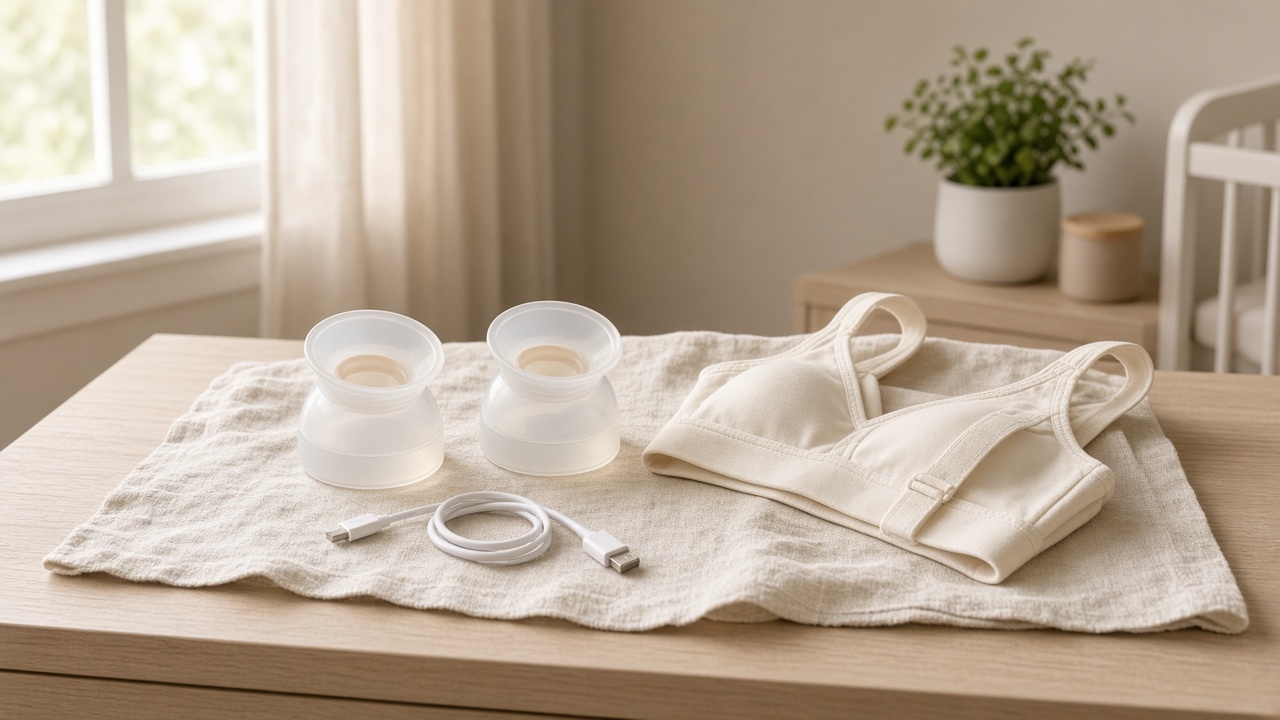
Open the warranty FAQ and the contents list is short: plugs, a travel case, four tip sizes, a starter card. The music page names a keychain tin. Hears Sleep ships with a carry case. Nobody packed a charging cable, because nothing in the stem takes a charge. Fit is mechanical. Choose a tip that seals without a sharp ache, seat the filter, and try them in a loud kitchen before you trust them at a show.
Cleaning is on you. Both the FAQ and the sleep page tell you to wash, dry, and put the pair back in the case, and neither page prints an expiry date. A care kit around ten dollars and a spare case around seven dollars exist if you lose the tin. Those extras do not change attenuation. A torn filter or a ripped tip is a spare-parts problem, not a firmware patch.
The hundred-day window still wants the cardboard
Hears sells the hundred-day window hard: you may send the plugs back after wearing them. The refund page is tighter than the homepage chant. The clock starts at delivery and runs a hundred days. Every part has to be there, in original condition, packaging intact. Email support@hears.com with the order number; they point you at a self-service portal. A parcel mailed to any other address gets refused. Keep the tray. Keep every tip. Incomplete is not “used.” Incomplete is a refused parcel.
You cover the return stamp unless the pair arrived broken, damaged, or in the wrong colour. The first outbound postage stays with them. A hold at customs is not a listed reason to send the tin back. After the warehouse logs the bag, inspection takes five to seven days. Want another colour, or 25 dB instead of 20 dB? You still post the first pair and wait for store credit. They do not run a direct swap. Broken or mis-picked items need a photo within fourteen days. I would photograph the unopened box on day one.
Put this contradiction on the packing slip, not in a marketing email. On the United States and Ireland collection views, the country chooser still flashed “easy, tracked 30-day returns.” Legal copy, the FAQ, and the product pages I opened all said a hundred. I am treating a hundred days as the rule because it lives on the legal page. If a banner later limits you to thirty, ask support@hears.com to confirm in writing before you wait until day eighty.
Photograph the unopened tray on day one and leave it on the shelf until you know the seal fits. A used plug can come back to Amsterdam, but only if the cardboard they packed is still there for inspection — not a geo-banner that whispers thirty days.
— Priya Nair
Duties, delays, and the pages that disagree
On US product pages I saw DHL Economy at three to five business days, USPS Standard at two to three, and USPS Priority at one, plus a sentence claiming no extra import duties. The country table is more useful if you live elsewhere: a day inside the Netherlands or Belgium, two to five for much of Western Europe and the US, about a week for Canada and Australia, longer for Japan, and ten to twenty-five days for a few farther lanes. Those are policy ranges. They are not a tracked promise.
Here is where I got stuck. The duty story changes by page. Outside the EU, the FAQ says Amsterdam leaves VAT, GST, and import charges off the cart, so if your order crosses a local threshold the carrier bills you. Decline that invoice and the tin comes back, with a handling charge taken from the refund. The UK block is sharper: at one hundred and forty pounds or less, goods plus shipping, import duty is usually skipped. Ireland and US geo-banners said those charges were already included. I could not tell whether the US product-page line about no extra import charges overrides the FAQ’s outside-EU warning; those sentences live on different pages. Read the banner for your country, then the FAQ, then the checkout.
How buying actually works
You pick the music pair or Hears Sleep. On the music pair you pick 20 dB or 25 dB before you pick a colour. You pay on hears.com. If the cart is under fifty dollars, expect a postage line the policy never printed as a flat dollar amount. If you are outside the EU, watch the checkout and the country banner for duty language instead of assuming Amsterdam prepaid it. When the tin arrives, try the tips at home. Do not throw the cardboard in the recycling on day two.
Look. This is not a complicated till. There is no account you must open for the hundred-day window to exist. There is no app. There is a filter, a set of tips, and a return portal that wants the original packaging. If that sounds fussy, you are not the buyer.
The fields I could not read off a packing slip
I never found a VAT number on the public terms, privacy, or refund pages. The Dutch register gave me KvK 90415647, and the terms still print Koningsplein. Under-fifty postage was unpublished. So was an attenuation figure for Hears Sleep, an NRR next to the 20 / 25 dB SNR labels, and a lifespan in months. A few multi-pair sets reused the single-pair prices in the product JSON, so those checkout totals stayed unpublished too. If any of those blanks decide the purchase, write support@hears.com before you pay.
Confirm colour, SNR, and the live postage line on hears.com, then keep the box until you know the seal actually fits.
Check Hears stock and the hundred-day return window →Questions I would send to support@hears.com before I pay
Does one forty-three-dollar pair actually ship free?
No. The free-shipping line starts above fifty dollars. One Hears pair at about forty-three, or one Hears Sleep pair at about thirty-nine, sits under it. Most people clear the cliff by adding a second pair or a small care add-on around nine or ten dollars. The exact under-fifty postage is calculated at checkout. It was unpublished as a flat dollar amount on the policy pages I read on 27 September 2026.
Can I wear them at a show and still send them back?
Yes, if you are still inside a hundred days of delivery and the set is complete enough to survive inspection. Write support@hears.com, use only the portal address they send, and buy your own return label. Worn is allowed. Missing parts are not. Outbound postage stays with Hears. Lose a tip at the venue and you have left the “complete pair” column.
Who pays customs if I am not in the EU?
On deliveries outside the EU, Amsterdam leaves VAT, GST, and import charges off the cart. Cross your country’s de minimis line and the carrier asks you for that bill. Decline it and the tin goes back; a handling charge then comes out of the refund. The one published safe harbour is a UK order at one hundred and forty pounds or less. US and Ireland geo-banners said those charges were already in — treat that as a market-specific checkout setting, not a global promise.
Which filter do I pick for a club versus a long-haul cabin?
The shop points 20 dB SNR at concerts and clubs where conversation still matters, and 25 dB SNR at travel, offices, and rooms that wear you out. The helmet-shaped pair is that same 25 dB body, not a third rating. Undecided? Wear both, then send the spare back inside a hundred days. I would not buy a six-pair bulk set until one filter has survived a week on your ears.
Will Hears Sleep hide a smoke alarm?
Hears Sleep’s product copy talks about cutting hotel hum and still passing a sharp alarm or a doorbell. That is not a mute switch. If you need to hear a child, a pager, or a building alarm, do not treat the pair as a silence machine. Try them at home against your actual alarm before you rely on them in a hotel. I will not promise you a quiet night next to a snoring partner. The shop designed for that job and still refuses a total mute.
How do I change 20 dB for 25 dB after the parcel arrives?
They do not offer a one-click trade. File a return inside a hundred days, post the complete pair, wait five to seven days while they inspect it, then spend the credit note on the other SNR. If the bag arrived broken or in the wrong colour, you have fourteen days and you need a photo. If you only hate the colour, that is a credit return, not a defect claim.
What if the banner on my country view says thirty days?
Ask support@hears.com to confirm the window in writing before you wait. On 27 September 2026 the United States and Ireland collection banners said thirty days, while the refund policy, the FAQ, and the product pages said a hundred. I am treating the legal page as the controlling text. A screenshot of a banner is not a packing-slip promise. If they answer with thirty, plan your test week accordingly and do not sit on the pair until day eighty.