A mall banner with a full web catalogue, not Place Vendôme
Histoire d'Or is the flagship jewellery name of THOM Group, the European multi-banner retailer that also operates Marc Orian, Stroili, Agatha and others. Group materials describe more than 400 Histoire d'Or stores across France and Belgium, in shopping centres and town centres. A 2022 THOM snapshot counted 393 Histoire d'Or shops among a wider thousand-store group. The first Belgian shop is part of that expansion story; the brand’s own timeline on the careers site treats Histoire d'Or as the affordable-to-mid precious jewellery offer rather than a haute joaillerie house. Online, histoiredor.com sells the same idea: rings, necklaces, earrings, men’s signet rings, cultured-pearl strands, zodiac pieces, engagement rings, and a watch corner that mixes classic, fashion and connected models. You are shopping a chain that can put a 375/1000 ring in a suburban mall on a Tuesday, not a workshop that only opens for a numbered appointment.
That scale is the product. The piercing page says about 30 workshops in France employ around 100 trained artisans, and that ear piercing is offered without appointment in about 350 shops, with more than 500,000 ears pierced a year on their figures. Gold buy-back is advertised as an in-network service. Diamond lines in 18-carat gold and platinum are described as carrying independent IGI laboratory certificates on a selected range, plus a lifetime manufacturing-defect warranty on those diamond pieces. Ordinary gold and silver SKUs more often show a 24-month guarantee on the product sheet. Payment marketing includes 3x interest-free on the site and 4x interest-free in a €100–€2,000 window on diamond-service pages, always subject to the live conditions. None of this makes a €89 silver alliance equivalent to a family solicitor’s heirlooms. It does mean you can compare a named model in a centre commercial this afternoon and still finish the order on the website tonight.
Reading 375, 750 and 925 before you fall for a product name
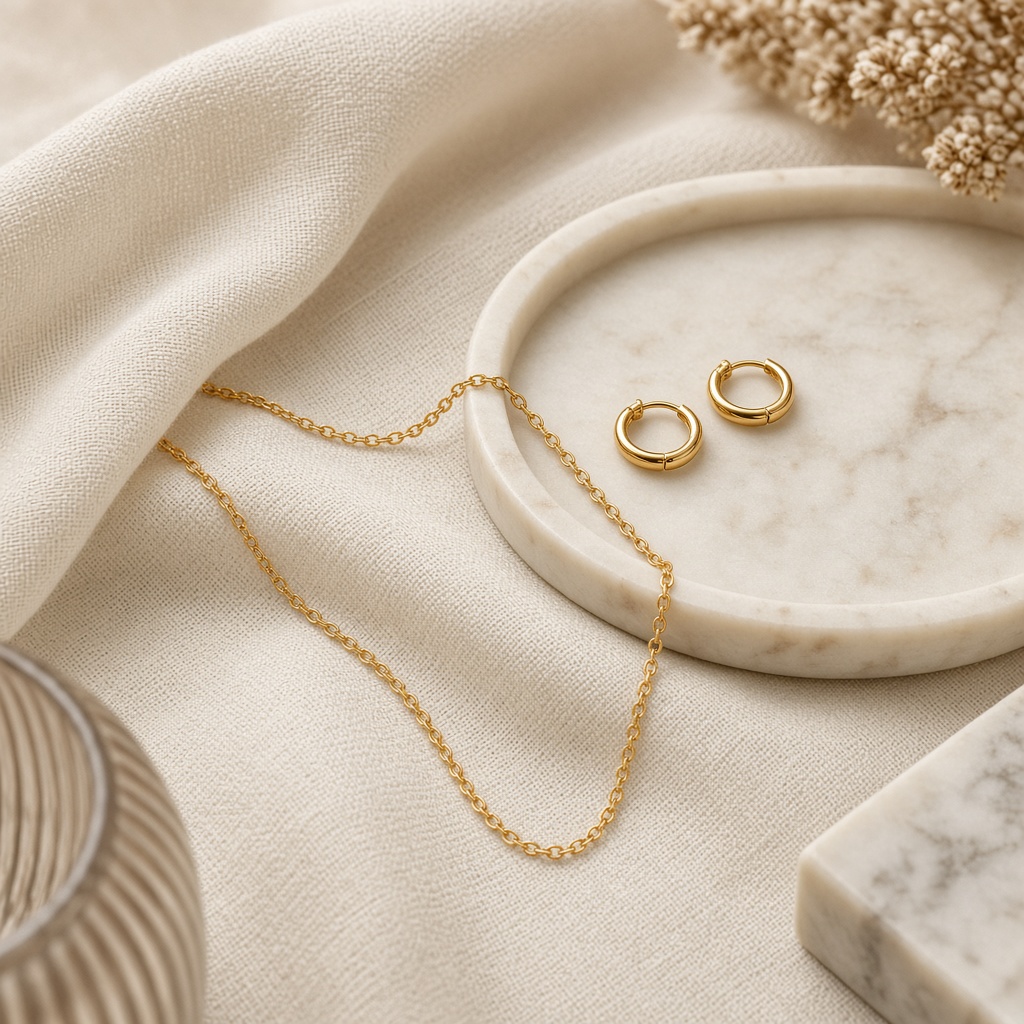
French jewellery tickets print millième fineness, not a mood. Gold 375/1000 is 9 carats: 37.5 percent gold, the rest typically silver and copper. Gold 750/1000 is 18 carats: 75 percent gold. Silver 925/1000 is sterling. Histoire d'Or product sheets repeat that explanation beside colour (yellow, white, rose) and weight in grams. Alliances on the site run that full ladder. A silver Alliance Soriya demi-jonc classique in 925/1000 was listed around €190 with a 5 mm width and a 56 finger size on the sample card we opened. A 375/1000 white-gold perlé alliance sat around €430 at 4 mm. Eighteen-carat diamond examples included Alliance Hera in 750/1000 white gold with 0.198 ct of claw-set diamonds at €849, plus named 18-carat diamond alliances such as Les Inseparables around €280, Rhea around €620, Elberta around €810, and Giulia around €1,150. Those are catalogue prices on the day we looked; gold prints move. Read grams and fineness, not only the first name.
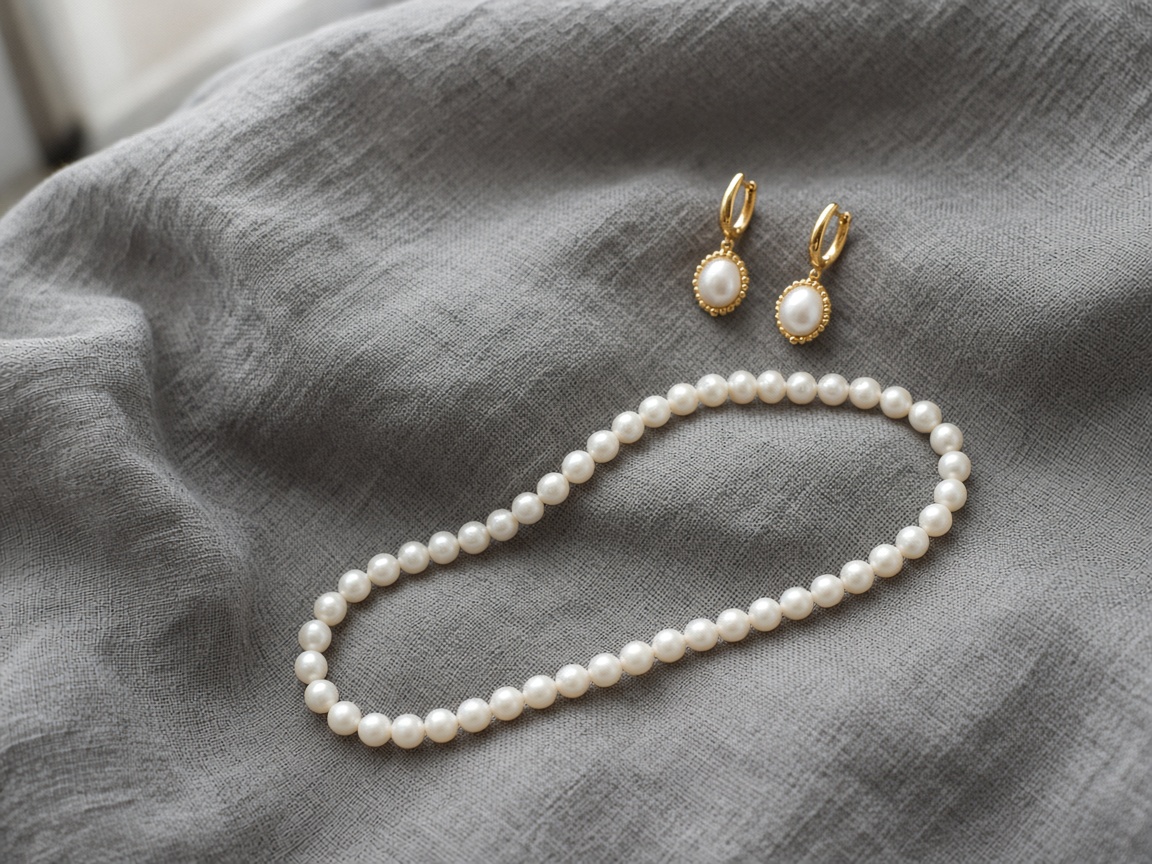
Beyond wedding bands, the web catalogue is organised the way a French high-street jeweller thinks: women’s rings, men’s chevalières in gold, silver and steel, cultured-pearl necklaces, emerald and sapphire fashion rings, bohemian collections, medals that can take engraving, and baptism or birth-gift staples. Stones on fashion SKUs may be diamonds, or oxide de zirconium as on some Julietta yellow-gold alliances around €129. Gem treatments are disclosed in the terms: some stones may have been heated or filled with colourless fluids, and pearls may have been bleached — traditional trade practices, not a secret, but they are why a €129 “diamond look” is not a gem lab report. Selected 18-carat and platinum diamond models get the IGI paper. If the ticket does not mention IGI, do not invent a certificate. Steel and 9-carat piercing studs are a different job from an 18-carat solitaire. Match the metal to skin, budget, and how often the piece will be hit against a desk.
- Gold 375/1000 (9 ct) and 750/1000 (18 ct) in yellow, white and rose, with weight printed in grams
- Silver 925/1000 alliances and fashion jewellery, including named models such as Soriya and Alexyne
- Diamond alliances and engagement styles; selected 18 ct / platinum pieces with IGI certificates
- Cultured-pearl necklaces, coloured stones (emerald, sapphire), and zirconium fashion settings
- Men’s chevalières in gold, silver and steel; medals and other pieces that accept engraving
- Watches (classic, fashion, connected) plus in-store piercing studs in 18 ct, 9 ct or surgical steel
Try-on in the centre commercial versus Colissimo and click-and-collect
In-store, you can check finger size on a triboulet, see yellow versus white gold under shop lighting, and walk out with a bag. Staff can quote resizing, engraving, piercing, and gold buy-back while you wait for a free estimate. Online, you pick a tour de doigt from the dropdown (sample cards showed 45, 54 and 56), pay, and choose a delivery mode. Product sheets we opened listed Colissimo home in about 48 hours at €5.90, free from €69; Chronopost 24-hour home at €10.90, free from €249; Chrono relais at €5.90, free from €99; Mondial Relay at €3.90, free from €49. Click-and-collect is advertised as a free path for web orders when the piece is already in that store. Store stock and web stock are not the same SKU in every mall. If you need the Hera in size 54 this Saturday, call the shop rather than assuming the warehouse sits under the same roof.
Filter by 375, 750 or 925, read the gram weight, then decide whether to click-and-collect or pay Colissimo — resizing later is a separate invoice.
Open Histoire d'Or collections →Resizing from €24, engraving, and the return trap
Mise à taille is a paid workshop service, not a free second guess. The brand page says ring, bracelet and chain resizing starts from €24, takes on the order of a week, and rises with the work: stretching a half size on a triboulet is not the same as adding gold to a diamond band. Necklaces and bracelets are usually a matter of adding or removing links. You get a free in-store quote. Diamond-service copy still flags resizing as paid even when engraving is offered on eligible pieces. Engraving is available on medals and many rings, sometimes free from €89 of purchase. Once a piece is engraved, adjusted, or made to order, the terms say withdrawal and refund no longer apply. That is the trap: a romantic inscription is also a closed return window. Ear piercing is in-store only (about €15 for the act, plus the studs) and sits outside distance-selling returns because the service is performed on a person.
Unmodified web orders have a 30-day return from receipt, which is longer than the 14-day legal floor they also mention. Start the return in the account, then choose shop drop-off (free), or a prepaid Mondial Relay label at €2.90 deducted from the refund. Conditions: unworn beyond trying on, original box, authenticity certificate, delivery note, no engraving. Refund is the merchandise, not the outbound postage you chose above the cheapest standard method, and not a worn scratch. In-store purchases follow shop policy plus that commercial 30-day language in the terms, still excluding custom work. If you are buying a gift in an unknown size, measure with a ring gauge in a shop first, or delay engraving until after the 30 days. A local independent jeweller who will size on the spot can still beat a chain workshop calendar when the wedding is next Saturday.
Histoire d'Or is strong at named 9-carat and 18-carat models you can hold in a mall. The moment you need a family stone reset, a same-day size, or a return after engraving, you are in a different trade — and the chain’s own terms will say so.
— Jordan Blake
When an independent jeweller is the better tool
Stay with Histoire d'Or if you want a published alliance in 925, 375 or 750, a cultured-pearl gift, a child’s piercing with a nickel-free stud, or a watch from the chain’s tray, and you value evening hours in a centre commercial. The IGI-selected diamond line is for buyers who want a lab paper without a Place Vendôme budget. Skip the chain if you are resetting grandmother’s diamonds, if your finger size changes with heat and you must live with a ring for a week before paying, or if you want a maker’s mark you can visit in a single atelier. Skip web checkout if you cannot measure a tour de doigt; French sizes are millimetres of inner circumference, not US numbers. Gold buy-back is convenient, not automatically the highest bid in town. Skip stacking 4x payment on a piece you have not tried on. Interest-free still spends the same euros.
- Read millième (375 / 750 / 925) and grams before comparing two alliances with similar names
- Gauge the finger in a shop in the afternoon; do not guess a 54 from a US 7 chart
- Leave engraving until the 30-day web return is no longer needed
- Budget mise à taille from €24 and a workshop week, more for diamond bands
- Use shop return for free; Mondial Relay return is €2.90 on the published web path
- Treat piercing (€15 plus studs) and gold buy-back as in-person services, not parcel SKUs
FAQ: metals, stores, resizing, and returns
Is 9-carat gold “real gold” at Histoire d'Or?
Yes, in the legal sense: 375/1000 is a recognised gold alloy in France, hallmarked, with 37.5 percent gold. It is harder and less yellow than 18-carat on many fingers, and it contains more copper/silver. It is not a fake metal, and it is not 18-carat. If resale value or family tradition matters more than scratch resistance, step to 750/1000 and pay the gram difference. The product sheet will show both the millième and the weight; use those, not the collection name.
Can I return a ring I had enlarged?
Generally no. Terms exclude pieces that were manufactured, modified, adjusted or heavily personalised, including engraving, from withdrawal and refund. Resizing is exactly that kind of workshop change. If size is uncertain, try in store, use the 30-day unmodified web return, or get a silicone sizer before you authorise mise à taille. Once the atelier has added gold or stretched the shank, you own the resized ring, even if the new diameter still feels wrong a week later at the office.
How does click-and-collect differ from a normal shop purchase?
Click-and-collect is a web order reserved for pickup in a chosen bijouterie, sometimes from that shop’s own stock when the page says so. A normal shop purchase is a till sale with a paper receipt and in-person advice. Returns of unmodified web orders can go back to a shop for free after you start the request online. Piercing, buy-back, and many resizing quotes still happen only at the counter. If the SKU is not in that mall, collect means waiting for the warehouse to feed the store, not walking out in ten minutes.
Do all diamond rings include an IGI certificate?
No. Histoire d'Or describes IGI certification on a selected range of 18-carat and platinum diamond models. Fashion rings with small diamonds or with zirconium are not that programme. Every product is said to ship with an authenticity certificate from the house; that is not the same document as an independent lab report listing cut, colour and clarity. Open the diamond-services page and the specific SKU before you pay for a stone story you have not been shown on paper in the box.
When should I skip the chain and visit a local jeweller?
When the job is a repair, a unique stone, a tight wedding deadline, or a size that must be worn for several days before you commit. Independents can often adjust a plain band while you wait and will still be there for a retip in a decade. Histoire d'Or wins on evening mall hours, published 9- and 18-carat models, piercing volume, and a 30-day web return on stock pieces. Use the chain for those strengths. Use the local bench for everything that is not a catalogue SKU.
Pick 375, 750 or 925, confirm the tour de doigt in a shop if you can, and leave engraving until the piece has survived the 30-day window.
Compare Histoire d'Or metals and sizes →Verdict: a high-street gold ladder with workshop fees attached
Histoire d'Or is a fair place to buy a named silver or gold alliance, a pearl gift, or a certified diamond SKU you can also hold in one of 400-odd shops, with Colissimo from €5.90 and a 30-day unmodified return. It is a poor place to improvise size and engraving on the same day, or to replace a family jeweller for repairs. Read the millième, weigh the grams, price the €24-and-up resize, and walk to an independent bench when the job leaves the catalogue. That split is how the chain is actually useful.